

Despite constant daily use, hotel bathrooms maintain a level of cleanliness most homeowners struggle to achieve. Water spots, soap scum, and cloudy buildup seem inevitable at home—but not in hotels. So the real question many people ask is: what do hotels use to clean glass shower doors, and why do their results look so different?
The answer may surprise you. Hotels do not rely on harsh scrubbing, abrasive tools, or aggressive chemicals. Instead, they focus on the right cleaning methods, non‑abrasive products, and consistent routines that protect the glass surface rather than damage it over time. It is a system built on prevention, not correction. That said, it is important to note that any techniques discussed in this guide should be followed carefully and applied at your own responsibility, as improper use of cleaning methods or products can still lead to damage.
If your goal is to achieve a hotel‑style bathroom that looks modern, elegant, and easy to maintain, choosing the right shower glass door is just as important as properly cleaning it. VanGlaze offers a wide range of shower glass doors at special pricing, with professional installation completed in just one business day. Visit vanglaze.ca or call (604) 906‑4455 for a free Consultation and Quote.
Next, we will take a closer look at what do hotels use to keep glass shower doors clean, and we invite you to stay with us for the rest of the article that will take just 5 minutes.
How Do Hotels Keep Glass Shower Doors Clean Every Day?
If you’ve ever stayed at a hotel, you’ve probably noticed how clear and spotless the glass shower doors always look. This isn’t the result of harsh chemicals or aggressive scrubbing. Instead, hotels rely on consistent, surface‑friendly routines that protect the glass rather than damage it. In fact, professional standards for maintaining a Shower Glass Door are built around prevention, not correction.
The most important habit hotels follow is light, daily cleaning. Glass surfaces are wiped gently every day before water droplets and minerals have time to dry and bond to the surface. By addressing moisture early, hotels prevent the buildup that usually leads homeowners to overclean or use abrasive products.
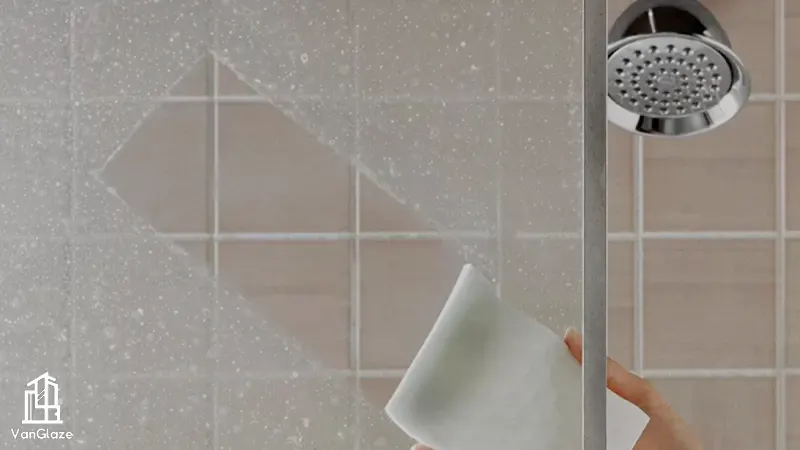
Another key principle is not allowing water to sit on the glass. Hotels understand that standing water—especially in areas with hard water—is the primary cause of cloudy residue and dull-looking glass. That’s why glass is quickly dried or wiped down after use, keeping the surface smooth and optically clear.
Ultimately, hotels operate on a simple but powerful rule:
Healthy glass equals easier cleaning.
When the glass surface remains free from micro‑scratches and chemical etching, it stays naturally resistant to buildup. That’s why hotel shower glass can look new for years with minimal effort.
To make these daily hotel practices easy to understand, the table below breaks down hotel cleaning strategies at a glance.
| Hotel Practice | Direct Effect on Glass |
| Light daily cleaning | Prevents buildup before it forms |
| Removing water quickly | Reduces mineral residue |
| Gentle contact with glass | Prevents micro‑scratches |
| Prevention‑first approach | Maintains long‑term clarity |
What Cleaning Products Do Hotels Actually Use on Glass?
Hotels don’t rely on specialty or aggressive chemicals to keep shower glass clean. In fact, when it comes to sensitive glass surfaces, especially Frameless Shower Doors, simplicity is intentional. The goal is to clean the glass without altering its surface.
Most hotels use non‑abrasive, neutral, or mildly alkaline glass cleaners. These solutions are designed to lift soap residue and body oils without reacting with the glass itself. Strong acids, powders, or gritty products are avoided because they can slowly wear down the glass and create microscopic damage.
Equally important is what touches the glass. Hotels almost always use microfiber cloths or soft, lint‑free towels. Unlike paper towels or rough sponges, microfiber traps dirt within its fibres rather than dragging it across the surface. This greatly reduces the risk of micro‑scratches, which are invisible at first but eventually make glass look cloudy.
Professional glass looks flawless because it’s treated gently. Once micro‑scratches form, glass starts holding onto minerals and soap residue more easily, requiring more effort to clean. Hotels prevent this cycle by using light pressure, soft materials, and simple solutions—over and over again.
That’s the real secret:
gentle products, soft cloths, and consistency, not stronger chemicals.
What Do Hotels Use to Clean Glass Shower Doors With Vinegar?
Yes, but only in very limited situations. Some hotels may use a highly diluted vinegar solution as a short‑term cleaner to loosen light soap residue. Vinegar’s acidity can temporarily break down mineral buildup, which is why it’s sometimes used for spot cleaning rather than routine maintenance.
However, vinegar is not considered a professional glass care solution. When used frequently or at high concentrations, acetic acid can begin to etch the glass surface. Etching is a form of microscopic surface damage that cannot be reversed. Over time, this damage increases surface roughness, causing the glass to hold onto soap scum and minerals more aggressively.
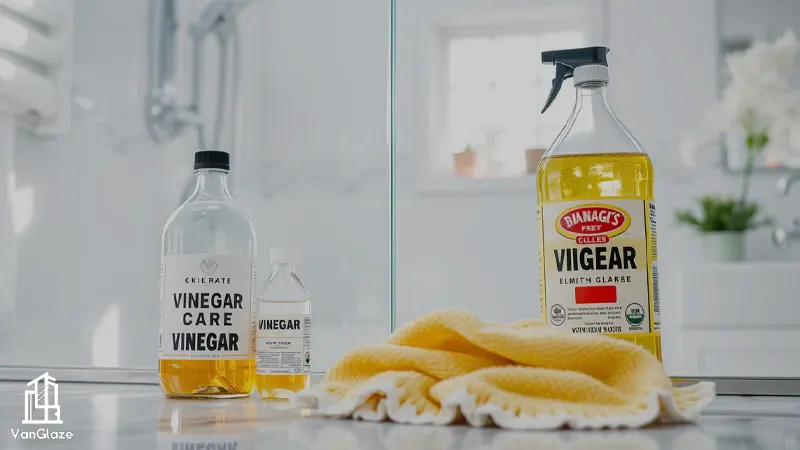
That’s why hotels avoid relying on vinegar for daily cleaning. Instead, they focus on preserving the glass surface rather than aggressively stripping buildup. Vinegar may remove residue today, but repeated use can lead to gradual surface degradation, making the glass harder to keep clear in the long run.
If vinegar is used at all, it’s typically diluted, often one part white vinegar to three parts distilled water, applied briefly, wiped gently with a microfiber cloth, and thoroughly rinsed. Even then, it’s treated as an occasional corrective step rather than a maintenance strategy.
In professional settings, vinegar is a tool of last resort, not a standard practice.
Why Don’t Hotel Cleaning Methods Scratch Glass?
The reason hotel glass surfaces don’t develop scratches isn’t magic or secret chemicals; it’s basic surface contact physics. Hotels deliberately minimise friction between the cleaning material and the glass.
First, the glass surface is kept wet and lubricated at all times. When water or a mild solution is present, dirt particles remain suspended in the liquid instead of being dragged across the glass. This prevents hard, direct contact with the surface. This principle becomes even more important for glass that involves motion, such as Sliding Glass Shower Doors, where direction and consistency of movement directly affect friction.
The second factor is even pressure distribution. Microfiber cloths spread force across a wider area, preventing concentrated pressure at a single point. Without localised pressure, micro‑scratches don’t form.
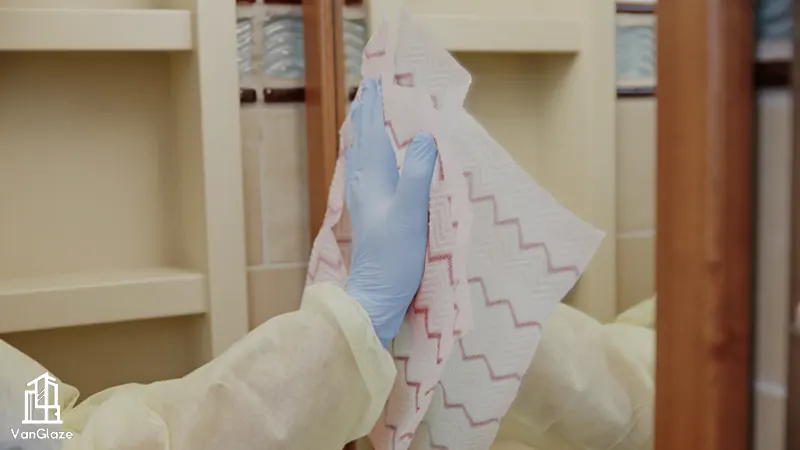
Finally, glass clarity results from a healthy, undamaged surface. When micro‑scratches are absent, light reflects and passes through evenly, making the glass appear clearer and brighter.
This same physical logic is the foundation of the article How to clean shower glass without scratching it. Less friction equals a longer-lasting, clearer glass surface
How Glass Surface Condition Determines Cleaning Results, Not Door Style
The principles of safe cleaning apply universally because the glass structure remains the same, regardless of how the door opens. Whether you are maintaining a large sliding panel or a single Swinging Shower Door, the priority is always the surface’s microscopic condition.
Glass may appear perfectly flat, but at a microscopic level, it has peaks and valleys. Professional, low-friction methods work because they glide over these peaks rather than grinding them down. The goal is to keep the surface “hydrophobic” (water-repelling) rather than rough and porous.
The most visible difference lies in light refraction. On a healthy, scratch-free surface, light passes straight through without scattering. This creates that high-definition, “invisible” look. Conversely, abrasive cleaning roughens the surface texture. This damage scatters light in different directions, making the glass look permanently cloudy or “foggy,” even when it is technically clean of dirt.
By focusing on the surface condition rather than the door type, you ensure that soap scum has nowhere to grip. A smooth surface stays cleaner longer, simply because there is no friction to hold the dirt.
When Cleaning No Longer Works: Signs It’s Time to Replace the Glass
Sometimes the problem with shower glass isn’t dirt, it’s surface damage. If the glass no longer becomes clear even after proper, careful cleaning, the issue is likely etching or deep micro‑abrasions in the glass itself, damage that no cleaner can reverse.
There is an important difference between stains and etching.
Stains sit on the surface and can be removed. Etching, however, permanently alters the glass. When this happens, the glass may look cloudy, hazy, or dull even when it is completely clean. Light no longer passes straight through the surface; it scatters instead.
Clear warning signs include:
- Glass that looks clearer only when wet
- Persistent haze after drying
- A rough or high‑friction feel on the surface.
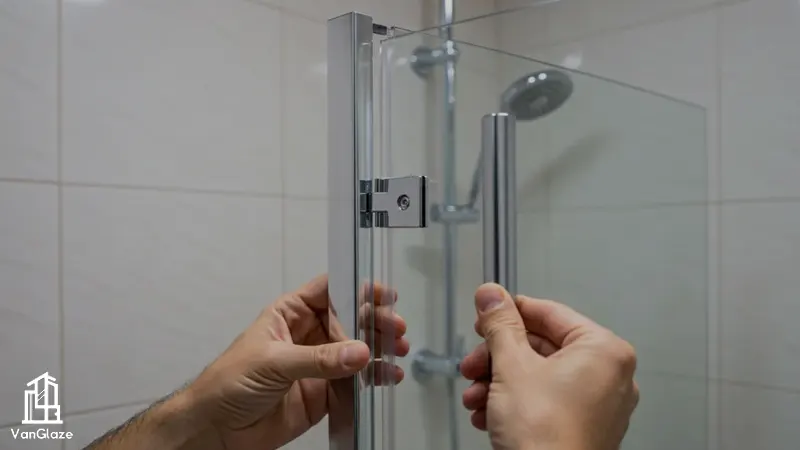
At this stage, continuing to clean is often a waste of time and effort. The most effective solution is usually glass replacement, especially if the glass is older or no longer fits your space visually.
The good news? With a new glass surface and the right, non‑abrasive cleaning methods, clarity can be preserved for years.
For high‑quality replacement glass, competitive pricing, and professional guidance, VanGlaze is the smart place to start.
Professional Solution: Protective‑Coated Glass (Treated Glass)
If you want to avoid falling back into a cycle of aggressive and risky cleaning after replacing your shower glass, Protective‑Coated Glass (Treated Glass) is a smart, long‑term solution.
This protective coating is applied before installation and chemically bonds to the glass surface. It alters the surface structure so water, soap residue, and mineral deposits are far less able to adhere to the glass.
What does that mean in everyday use?
The glass becomes hydrophobic and noticeably slick, allowing water to sheet off instead of drying into spots. Stains form more slowly, buildup is reduced, and routine cleaning becomes simple—requiring minimal effort, no harsh chemicals, and no pressure that could damage the surface.
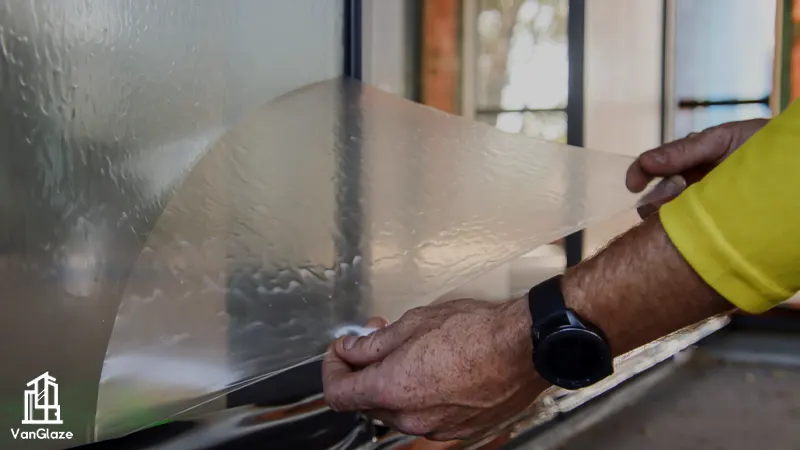
The key advantage of protective‑coated glass is prevention, not correction. Instead of fighting etching, cloudiness, or micro‑abrasions later, the coating helps prevent them from developing in the first place.
At VanGlaze, this protective coating is backed by a 10‑year warranty, provided the glass is not physically damaged or broken. When proper, safe cleaning methods are followed, the glass remains clear, smooth, and visually flawless for years.
If peace of mind and long‑term clarity matter to you, this is the final upgrade that truly delivers.
Hotel-Inspired Shower Glass Care, Backed by VanGlaze Expertise
Throughout this guide, we examined what do hotels use to keep glass shower doors clean and why hotel‑level results rely less on aggressive cleaners and more on prevention, surface awareness, and safe daily care. From understanding how mineral buildup forms to recognizing early signs of etching and micro‑abrasions, this content covered practical strategies that help preserve glass clarity without compromising the surface.
All cleaning methods discussed are provided for informational purposes only. Any cleaning or maintenance actions you choose to perform remain your responsibility, particularly when dealing with older or previously damaged glass. Excessive pressure or improper products can permanently alter the glass surface and significantly shorten its lifespan.
In many situations, long‑term clarity does not come from stronger cleaning products but from healthier glass and informed decisions. Professional guidance plays a critical role at this stage.
VanGlaze is ready to evaluate your current shower glass and provide expert advice and services for Shower Glass Doors, including safe maintenance recommendations, protective‑coated glass upgrades, or full glass replacement when necessary. in this article, we explained what do hotels use to clean glass shower doors and why professional results depend on prevention, surface care, and informed cleaning choices.
For a free consultation, call (604) 906‑4455. We help you choose the right solution with confidence and lasting results.
Frequently Asked Questions
Why don’t hotel shower glass doors get scratched over time?
Because hotels avoid abrasive tools and high friction. They use microfiber cloths, light pressure, and consistent moisture control. Less friction means fewer micro‑scratches, and fewer scratches mean clearer light reflection and transparency. It’s pure physics—not magic.
Why don’t hotel shower glass doors get scratched over time?
Because hotels avoid abrasive tools and high friction. They use microfiber cloths, light pressure, and consistent moisture control. Less friction means fewer micro‑scratches, and fewer scratches mean clearer light reflection and transparency. It’s pure physics—not magic.
What cleaning products do hotels actually use on shower glass?
Hotels typically use neutral or mildly alkaline cleaners designed for glass surfaces. These products dissolve soap residue without attacking the glass itself. Combined with microfiber towels and daily routines, they keep glass clean without damaging its surface structure.
How can I tell if my shower glass is permanently damaged?
If stains don’t disappear when wet, feel rough to the touch, or look cloudy from certain angles, that’s often chemical etching, not dirt. At that point, cleaning won’t restore clarity because the glass surface itself has changed.
Is replacing shower glass sometimes smarter than cleaning it?
Absolutely. When glass is structurally etched or micro‑scratched, no cleaner can reverse the damage. Hotels replace or upgrade glass often with protective‑coated (treated) glassto restore clarity and reduce future maintenance.