
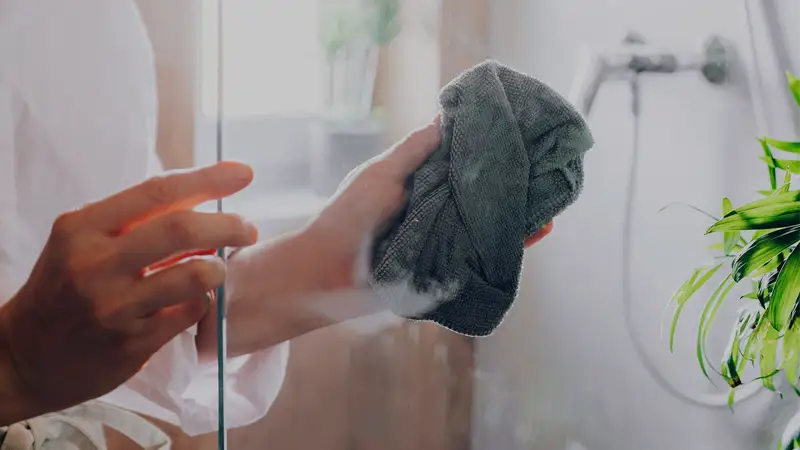
Tired of finding permanent marks on your shower glass door? Learn exactly how to clean shower glass without scratching it to maintain a sparkling, crystal-clear finish.
Many homeowners damage glass with abrasive tools like steel wool, harsh powders, or razor blades. Though these seem effective, they often cause irreversible harm. Incorrect cleaning shortens the lifespan of shower glass, turning a sleek feature into a cloudy, scratched eyesore. This guide covers safe, effective ways to remove hard water stains and keep your glass pristine.
At VanGlaze, we specialize in installing and repairing custom shower glass doors to restore and enhance your bathroom’s appearance. If deep scratches have already affected your bathroom’s look and you’re considering a replacement, we can help with expert guidance and quality workmanship. For a free consultation, call us at (604) 906-4455.
From Foggy to Flawless: Revive Your Shower Glass Without Damaging the Surface
To clean your shower effectively and safely, it’s important to know what it’s made of. Most high-quality doors, including VanGlaze, use Tempered Safety Glass, known for its strength and shatter-resistance. Its unique fabrication means cleaning methods matter. A mistake could affect both appearance and safety over time.

The fabrication type of a door directly affects how easy it is to clean. Frameless Shower Doors, for example, use 10mm or 12mm tempered glass panels with minimal hardware. This minimalist style maximizes light and space but also makes water spots and streaks more visible. Using the right cleaning techniques is key to preserving the sleek, open appearance. For more details, see our selection of frameless shower doors.
Stop! The “Forbidden” List: Tools That Ruin Your Shower Glass
Before you grab that heavy-duty scrubber, pause. The biggest misconception in cleaning is that “harder scrubbing equals cleaner glass.” On tempered glass, abrasive tools create micro-abrasions, tiny scratches that act like Velcro for soap scum and bacteria. Once these scratches exist, your glass will get dirtier faster, no matter how much you clean.
Common Shower Cleaning Mistakes to Avoid
- Steel Wool & Green Scouring Pads: Never use these. Even the “fine” grade steel wool can strip protective coatings and leave a haze of scratches. Think of it like using sandpaper on your eyeglasses; you might remove the smudge, but you’ll ruin the lens forever.
- Abrasive Powders: Gritty cleaners (like heavy-duty scouring powders) work by friction. On smooth glass, this friction destroys the polished surface, turning clear glass permanently cloudy.
- Razor Blades (For DIYers): While professionals sometimes use blades to remove glue, the risk for homeowners is too high. A blade held at the wrong angle (even by a few degrees) can dig into the glass, causing deep, irreparable gouges.
- Undiluted Vinegar (With Caution): While vinegar is a great cleaner, letting highly concentrated acid sit too long can damage metal hardware (hinges/handles) or strip factory-applied protective sealants. Always rinse thoroughly.
Is Your Glass Already “Cloudy”?
If you’ve scrubbed for hours and the white haze won’t vanish, your glass might not be dirty—it might be etched from years of harsh cleaning. Scratches and etching are permanent. If your view is ruined, the only solution is to replace it. Call VanGlaze for a free consultation to see how affordable a new, crystal-clear start can be.
The “Zero-Friction” Technique: Safe Cleaning for All Shower Glass Types
Cleaning your shower glass should be simple and stress-free—never rely on heavy pressure. Force won’t deliver a scratch-free shine; proper lubrication and the right cleaning method will. Follow this 3-step ritual to protect your glass surface:

1. The “Safety” Cloth (Ban the Paper Towels)
Don’t use paper towels or rags. Paper made from wood pulp acts like sandpaper on glass and can strip anti-spot coatings.
- Use a high-GSM microfiber cloth. Unlike cotton, microfiber lifts water marks and grime, leaving glass clear and streak-free.
2. The “Gentle” Solution
Avoid harsh chemicals that damage seals or hardware.
- Mix 1 cup of warm water with 3-4 drops of standard dish soap (such as Dawn) to prepare your cleaning solution.
- Why it works: Aim to create slip. Use soap to break down body oils and form a lubricating layer so your cloth or squeegee glides effortlessly.
3. The Motion & Pressure (The “S” Pattern)
Don’t scrub or use circles. Circular motions spread dirt and leave visible marks.
- Start at the top corner. Move your cloth or squeegee in a steady S-shaped pattern, working your way down the glass.
- Treat the glass gently, as you would a camera lens. Apply light pressure. Let the soapy water dissolve dirt. Your hand only guides the cloth.
When Scrubbing Doesn’t Work: Dealing with “Permanent” Haze
Sometimes, despite your best efforts and the safest techniques, the glass simply won’t come clean. You wipe it down and it looks perfect while wet, but the moment it dries, that annoying white haze reappears. If this sounds familiar, you aren’t dealing with simple surface dirt. You are facing Stage II Corrosion, also known as “Glass Etching.”
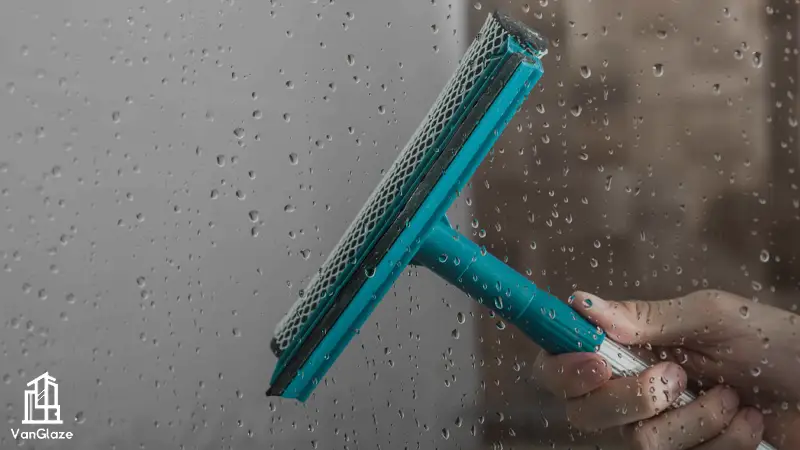
Why DIY Methods Fail Here?
Glass may look smooth, but under a microscope it appears porous, with tiny peaks and valleys. When hard water sits on the surface for too long, minerals like calcium and magnesium settle into these pores. Over time, they chemically bond with the glass structure. At this stage, no amount of vinegar, baking soda, or elbow grease will remove the stains because they are no longer on the glass. They are part of it.
The Danger of Over-Cleaning
This is the moment most homeowners make a big mistake. Frustrated by the stubborn spots, they reach for harsh acids, razor blades, or abrasive scouring pads.
- The Result: You might remove the mineral deposit, but you will also strip the glass’s protective finish, leaving deep scratches. This makes the glass more porous, allowing dirt to accumulate faster than before and even make the glass fragile.
Is Your Glass Past the Point of Return?
Look for these signs:
- Rough Texture: The glass feels like sandpaper even after cleaning.
- The “Ghost” Stain: Spots disappear when wet but instantly reappear when dry.
- Rainbow Effect: You see an iridescent sheen in direct light.
If your shower doors show these symptoms, standard cleaning is no longer an option. The glass structure has been compromised. In these cases, professional restoration or glass replacement is often the most cost-effective way to regain that luxury look.
Don’t settle for damaged glass. Contact us today to upgrade your shower glass door and experience the difference of crystal-clear, easy-maintenance glass. Let us help you transform your space. Schedule your consultation now.
Glass cleaning and maintenance in Sliding Shower Doors
Frameless sliding shower doors are designed with minimal hardware to maintain a clean, modern look. Instead of bulky frames and excessive metal components, the structure primarily relies on thick 10mm tempered glass panels. This high-quality glass not only provides strength and durability but also creates a sleek, open aesthetic in any bathroom.
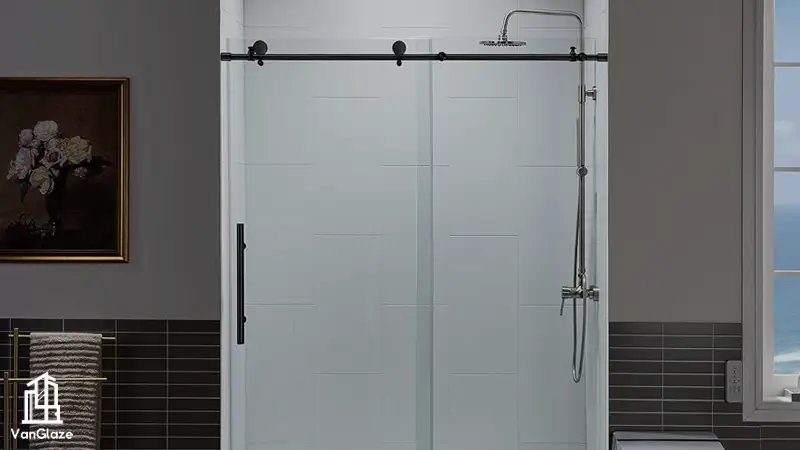
With the proper cleaning method, you can prevent watermarks and hazy patches from forming on the glass surface. Because the majority of the enclosure consists of large glass panels, maintenance is simple and efficient. In most cases, cleaning the shower once a week is sufficient to preserve its clarity and shine.
By using gentle, non-abrasive cleaning solutions and a microfiber cloth or squeegee, you can maintain a crystal-clear finish without scratching the surface. When cared for correctly, frameless sliding shower doors will retain their bright, polished appearance for years—looking as spotless and elegant as the first day they were installed.
Hardware Cleaning in Sliding Shower Doors
You also don’t need to worry about the hardware of these shower doors or spend excessive time cleaning it. The hardware components used are water-resistant and specifically designed for bathroom environments, so moisture will not cause damage or deterioration. For regular maintenance, no special treatment is required. If you would like to enhance their shine, simply wipe them gently with a soft cloth. This light cleaning is enough to keep the hardware looking polished and well-maintained without the need for harsh chemicals or intensive scrubbing.
Sliding Glass Shower Doors: When Cleaning Is No Longer Enough
If your sliding glass shower doors show permanent scratches or hazy patches after cleaning, don’t keep scrubbing. This usually means the glass is damaged. The best solution is to upgrade to a professional sliding system and replace the glass—a service we provide at VanGlaze.
Contact us now to schedule your professional replacement or installation. Find your ideal Sliding Glass Shower Door solution today.
Complete Care Guide for Swinging Shower Doors
Swinging shower doors are known for their clean lines, elegant appearance, and solid hinge support. Proper maintenance keeps them looking flawless while protecting their structural alignment. Cleaning should always be done with care—never with excessive force.

1. Cleaning the Glass Panels
The glass in swinging shower doors is typically thick tempered safety glass, designed for durability. However, applying heavy pressure while cleaning can gradually affect the door’s alignment. Because these doors rely on hinges rather than tracks, pushing hard on the glass may cause it to shift slightly out of plumb over time.
Always use a gentle, “zero-friction” approach:
- Use a high-GSM microfiber cloth (avoid paper towels).
- Apply a mild soap-based solution to create lubrication.
- Avoid abrasive powders, steel wool, or razor blades.
- Never use harsh acids or gritty cleaners.
Let the cleaning solution and lubrication do the work—not pressure. Clean the glass once per week to prevent hard water buildup, haze, and soap scum.
Taking just one minute at the end of each shower to remove excess water from the glass using a squeegee can significantly reduce water spots and mineral buildup. This simple habit makes weekly cleaning much easier and helps maintain a clear, streak-free finish for a longer period of time.
2. Cleaning the Hardware
The hinges and handles are designed for wet environments and are water-resistant. They do not require aggressive cleaning. Once a month, simply wipe them gently with a soft cloth. If desired, use a mild, diluted cleaner and rinse thoroughly.
Avoid soaking hinges with acidic solutions, as prolonged exposure may affect finishes.
With consistent, gentle maintenance—weekly for glass and monthly for hardware—your swinging shower door will remain aligned, polished, and elegant for years.
The Critical Point: When DIY Cleaning Fails, and Replacement is the Only Solution
custom shower glass door installation and repair, we must share an important truth: some damage goes beyond cleaning. This is the “Point of No Return,” and recognizing it early can save you time, money, and ongoing frustration.
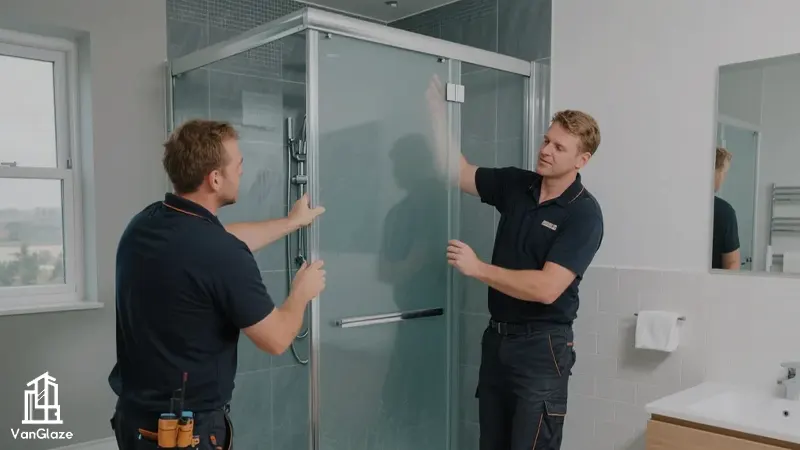
From our extensive experience servicing heavily used sliding and swinging shower doors, the most common failure points are deep scratches and irreversible glass etching. When tempered glass is repeatedly cleaned with abrasive tools such as steel wool, razor blades, or harsh scouring pads, the scratches become structural—not surface residue. Likewise, long-term exposure to untreated hard water stains can chemically etch the glass, creating microscopic pits that trap soap scum and cause permanent cloudiness. Once this level of damage occurs, no cleaning product can restore true crystal clarity.
Instead of battling aging, compromised glass, this may be the right time to consider professional shower glass replacement. At VanGlaze, we provide precision-fit solutions, including modern frameless shower doors and high-performance enclosures with protective coatings that repel water and reduce maintenance.
Our professional recommendation is simple: if your glass is permanently scratched or deeply etched, replacement is the smarter long-term investment. Most importantly, once your new glass is installed, follow proper non-abrasive maintenance techniques to protect your investment and extend its lifespan.
Protective Glass Treatment: Preventing Stains Before They Start
When EnduroShield glass treatment is applied before installation, it creates a permanent, invisible barrier that repels water, soap residue, and minerals before they can bond to the glass surface. This treatment significantly reduces water spots, haze, and buildup, making routine cleaning easier and safer, without resorting to aggressive methods. VanGlaze offers a 10-year warranty on treated glass, provided the glass remains structurally intact and is not physically damaged. In other words, when the glass doesn’t break, its clarity, smoothness, and resistance to staining are protected long-term.
Trusted by Homeowners: VanGlaze’s Shower Glass Care Principles
Keeping shower glass doors clear and scratch-free is not about using stronger cleaners or more pressure. It’s about understanding the surface you’re working with and respecting its limits. Most scratches aren’t caused by weak glass; they’re due to aggressive cleaning habits. Steel wool, abrasive powders, razor blades, and harsh scrubbing motions create microscopic damage that builds over time and permanently dulls the glass.
Safe shower glass care always starts with non-abrasive tools. A quality microfiber cloth, light hand pressure, and smooth, controlled movements are essential. Pair that with a mild, well-diluted cleaning solution designed to loosen soap scum and hard waterminerals withoutt grinding them into the surface. Direction matters too: gentleS-shaped” or straight-line motions reduce friction and prevent swirl marks that lead to long-term wea.r.
Equally important is knowing when cleaning is no longer the answer. Deep scratches, chemical etching from long-term hard water exposure, or aging glass that never looks clear even after proper cleaning are signs that replacement or an upgrade is the smarter option. In those cases, continuing to scrub only accelerates damage.
If you’ve been searching for how to clean shower glass without scratching it, the real solution lies in a balance of proper technique, realistic expectations, and professional insight.
At VanGlaze, we specialize in Glass Shower Door Sales, Repairs & Installation, offering custom solutions tailored to your space whether that means restoring clarity or upgrading to modern sliding, swinging, or frameless shower doors. For a free consultation, call (604) 906-4455 and get expert guidance you can trust.
Frequently Asked Questions
What is the safest way to clean a shower glass door without scratching it?
The safest method is to use a high-quality microfiber cloth, apply light hand pressure, and use a non-abrasive cleaning solution. Avoid aggressive scrubbing and use smooth, controlled motions, such as straight lines or gentle S-shaped movements. Scratches usually occur from friction, not from dirt itself.
Can common household tools damage shower glass over time?
Yes. Tools like steel wool, abrasive sponges, powdered cleaners, and razor blades create microabrasions on the glass surface. These tiny scratches accumulate over time, making the glass look cloudy and allowing soap scum and minerals to stick more easily.
Is hard water the main reason shower glass becomes permanently cloudy?
Hard water is a major factor, especially when mineral deposits are left untreated. Over time, these minerals can cause chemical etching, damaging the glass surface. Once etching occurs, regular cleaning products cannot restore full clarity.
How can I tell if my shower glass is scratched or chemically etched?
If the glass still looks dull or stained after proper, gentle cleaning, the issue is likely permanent damage. Scratches usually feel rough to the touch, while etching appears as cloudy areas that never fully disappear—even when the glass is clean and dry.
When should I stop cleaning and consider repairing or replacing my shower glass door?
If repeated safe cleaning doesn’t improve clarity, or if scratches and etching are clearly visible, continuing to scrub can worsen the damage. At that point, consulting a professional for repair or replacement is the smarter long-term solution.